
Eldercare and nursing robotics
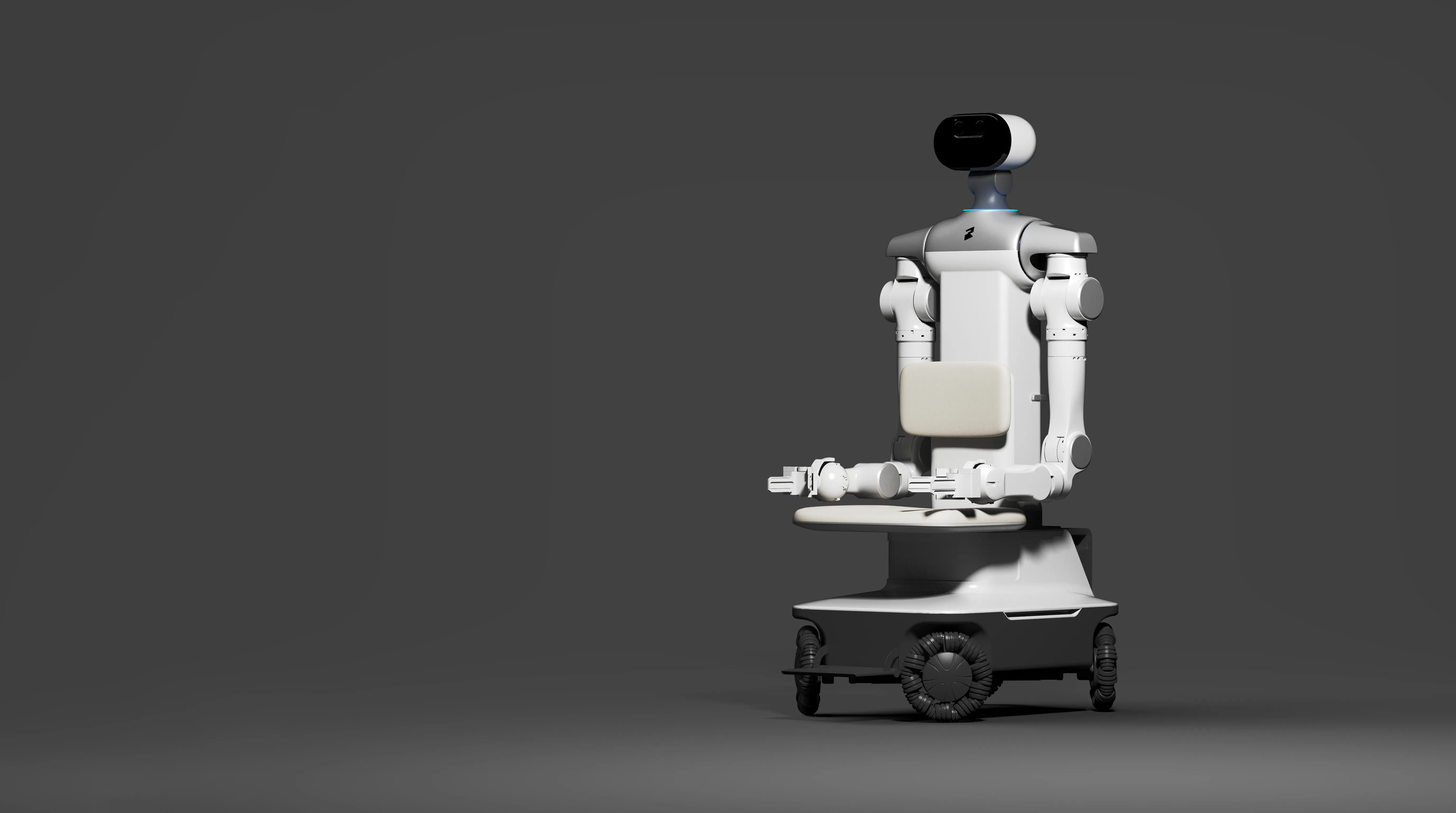
QiJia Q1 Eldercare and Nursing Robot
The manufacturer positions QiJia Q1 as a daily care robot for semi-disabled and disabled elderly individuals, operating in robot mode and wheelchair mode.
Overview
Daily care and mobility robot
Official manufacturer image and content. AOR publishes only what the manufacturer documents; nothing on this page is a clinical or regulatory claim.
Coming Soon — Availability subject to official confirmation.
- Last verified
- 2026-08-01
- Content status
- Official manufacturer content verified — regulatory status not published
Manufacturer videos
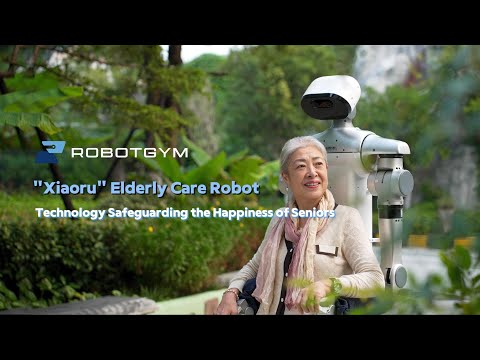
QiJia Q1 Eldercare and Nursing Robot in demonstration
Published by the manufacturer. Every video includes a written bilingual summary for accessibility.
 Watch on YouTube
Written summary (EN / ES)
English
- Overview of the QiJia eldercare and nursing robot series presented by the manufacturer.
- Shows the platform moving in a care environment and interacting through its interface.
- Manufacturer positioning only; availability and regulatory status are not stated.
Español
- Presentación general de la serie de robots de cuidado y enfermería QiJia realizada por el fabricante.
- Muestra la plataforma desplazándose en un entorno de cuidado e interactuando mediante su interfaz.
- Solo posicionamiento del fabricante; no se declara disponibilidad ni estado regulatorio.
Accessibility summary prepared by AOR from the official manufacturer video. Not a verbatim transcript, clinical claim or regulatory statement.
Manufacturer-stated functions
What the manufacturer documents
- Disability care: repositioning, feeding assistance, bed-to-chair transfer, mobility aid
- Daily assistance: housekeeping, item fetching, dressing aid, medication reminders
- Emotional support: conversation, information updates, proactive greetings
- Safety and monitoring: health and environment monitoring, anomaly detection, emergency response
- Wheelchair mode for transfers and indoor–outdoor mobility
Disability and nursing care
- Assisted repositioning and turning in bed
- Feeding and hydration assistance
- Bed-to-chair and chair-to-bed transfer support
- Mobility assistance with up to 10 kg payload and 1.1 m reach
Daily living assistance
- Item fetching and delivery around the home
- Light housekeeping tasks
- Dressing assistance
- Medication and appointment reminders
Companionship and interaction
- Voice conversation and proactive greetings
- News, weather and information updates
- Voice, touchscreen and gesture recognition inputs
Safety and monitoring
- Health and environment monitoring
- Anomaly detection with emergency response workflow
- Vision-based navigation and obstacle avoidance
- Hardware emergency stop
Mobility platform
- Wheelchair mode for indoor and outdoor transport
- Omni wheels with zero turning radius, up to 1.5 m/s
- Climbs slopes up to 15°
- 22 degrees of freedom, remote / autonomous / hybrid control
Verified specifications
Published specification table
Transcribed from the official manufacturer page. Scroll horizontally on small screens.
| Product model | QiJia Q1 |
|---|---|
| Dimensions | 85 × 59 × (103–173) cm |
| Weight | 50 kg |
| Degrees of freedom | 22 |
| Reach / max payload | 1.1 m / 10 kg |
| Drive mode | Omni wheels |
| Max speed | 1.5 m/s |
| Turning radius | 0 |
| Max climbing angle | 15° |
| Navigation | Vision-based |
| Interaction | Voice, touchscreen, gesture recognition |
| Control modes | Remote control / autonomous / hybrid |
| Obstacle avoidance | Vision-based |
| Communication | WiFi, 4G/5G |
| Emergency stop | Supported |
Certifications and registrations
Official documentation on file for QiJia Q1 Eldercare and Nursing Robot
Issued by manufacturers, notified bodies and authorities, retained exactly as received. AOR does not interpret, extend or restate their scope.
No certification document has been verified for this configuration yet. Request the current documentation status from an AOR specialist.
Where it is used
Environments and audiences
Commercial orientation only. Suitability for a specific person or program is determined by qualified professionals.
Use environments
- Eldercare and long-term care facilities
- Nursing support and daily-living assistance environments
Potential audiences
- Long-term care and eldercare organizations
- Operators evaluating nursing-support robotics
Implementation
Evaluation, installation, training and support
- 01
Pre-implementation evaluation
AOR reviews your setting, space, staffing, program goals and supervision model before recommending any configuration.
- 02
Installation and onboarding
Delivery, setup and a guided first-use session so your team starts with a documented workflow.
- 03
Bilingual training
Operator training in English or Spanish, with refreshers available through the AOR Academy for authorized accounts.
- 04
Post-sale support
A named AOR contact for questions, service coordination and follow-up after the program is running.
Warranty: AOR publishes warranty terms only when documented by the manufacturer. No warranty terms are published for this system yet — request them from an AOR specialist.
Compare
Other robotics systems in the ecosystem
Each system serves a different setting. None is presented as superior for every user; an AOR evaluation determines the right fit.
Next step
Talk to AOR about this system
Plan a robotics program with AOR
An AOR specialist reviews your setting and confirms what is available for your territory before any commitment.
Informational content only. AOR does not publish clinical outcomes, indications or regulatory status for any robotics system without official manufacturer documentation. Suitability for a specific patient is determined by qualified clinicians.