Skip to content

Advanced Wound Care

Wound care solutions organized around clinical need.

AOR structures wound care by clinical problem so teams can find the right category quickly. Product-level entries are added only when a verified official source exists.

Clinical categories

Where wound care programs need support

Assessment and measurement

Consistent wound assessment and documentation practices across clinicians, shifts and sites.

Debridement and wound bed preparation

Category overview only. Specific products appear once official manufacturer documentation is verified.

Exudate and infection management

Category framing for program planning. AOR publishes no claims of efficacy or clearance.

Offloading and pressure injury prevention

Program considerations for prevention protocols in long-term and acute environments.

Advanced modalities

Higher-acuity categories reviewed case by case with the clinical team and the manufacturer.

Documentation and reimbursement readiness

How assessment records support continuity of care and administrative review.

Product library

Wound care product types and what each one does

One library, two levels: everyday dressing and device categories first, then the advanced biologic and regenerative categories used in complex ulcer programs. These are generic product types, not AOR product records: no brand, composition, size, indication, outcome or regulatory status is published here.

Level 1

Core dressing and device categories

Assessment and wound bed preparation

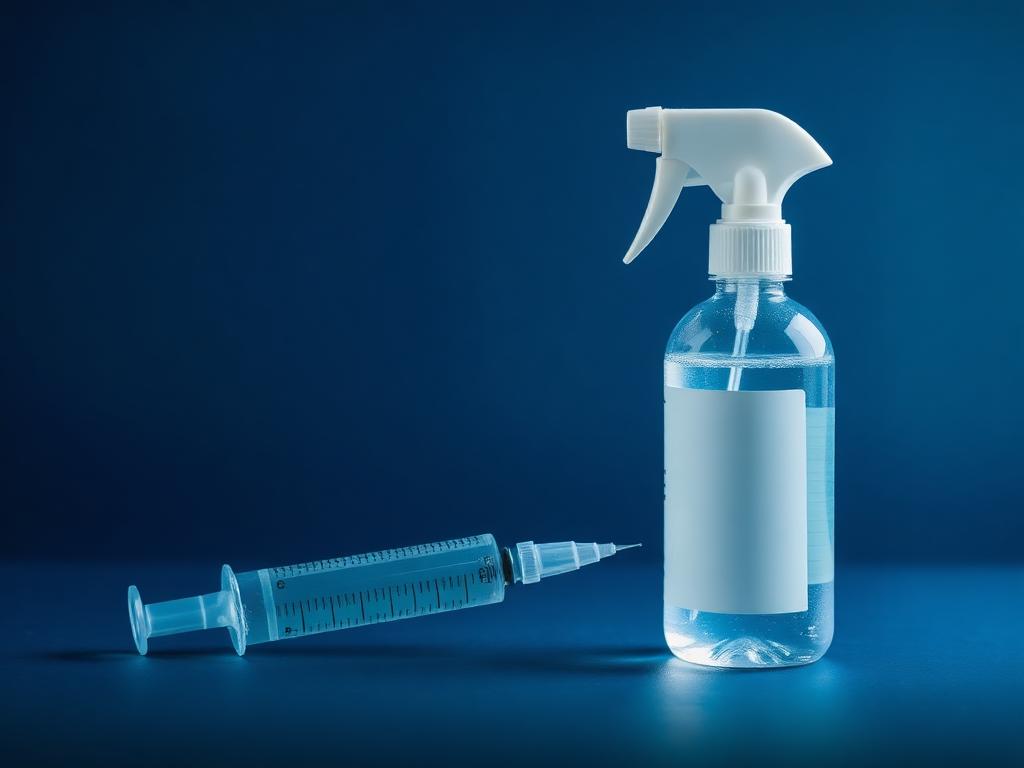
Illustrative rendering of wound cleansers and irrigation solutions
Wound cleansers and irrigation solutions

Solutions used to cleanse or irrigate the wound and surrounding skin before assessment and dressing application.

Typical use context

  • Routine dressing change procedures

Selection follows the organization's cleansing protocol and the product's official instructions.
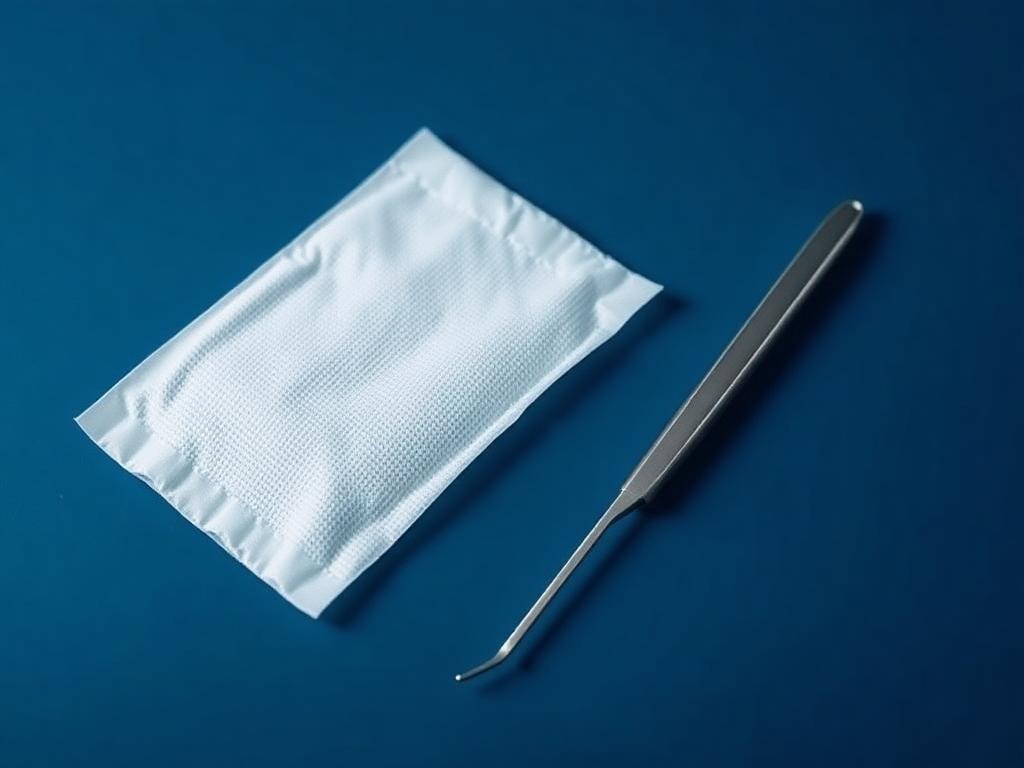
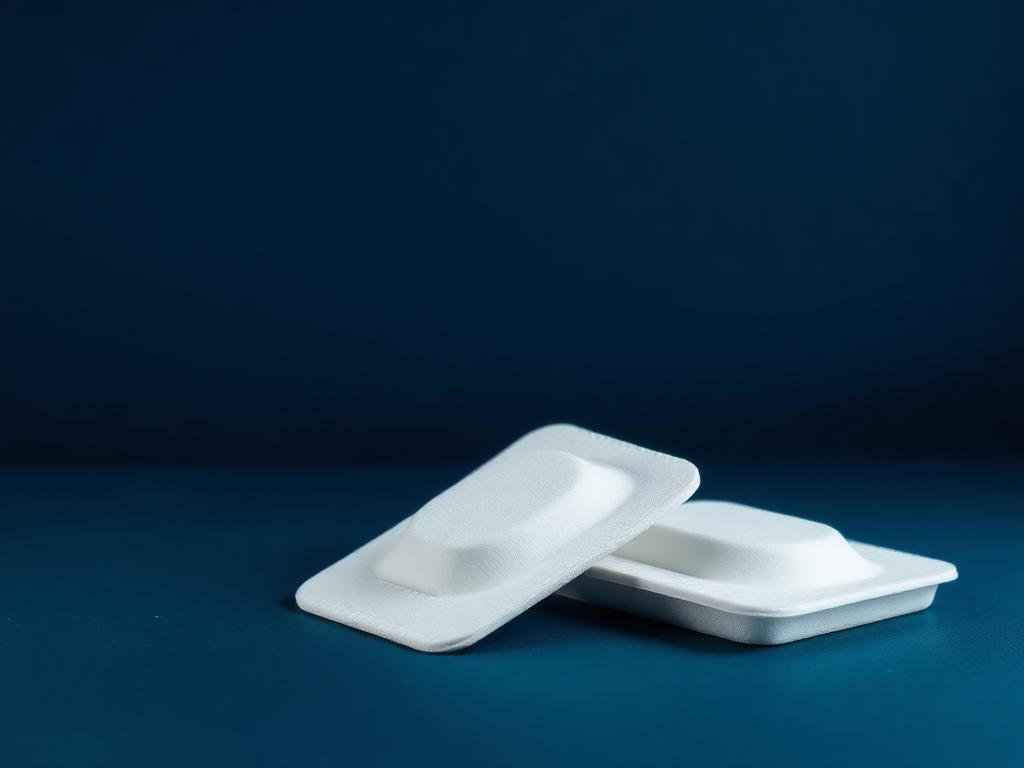
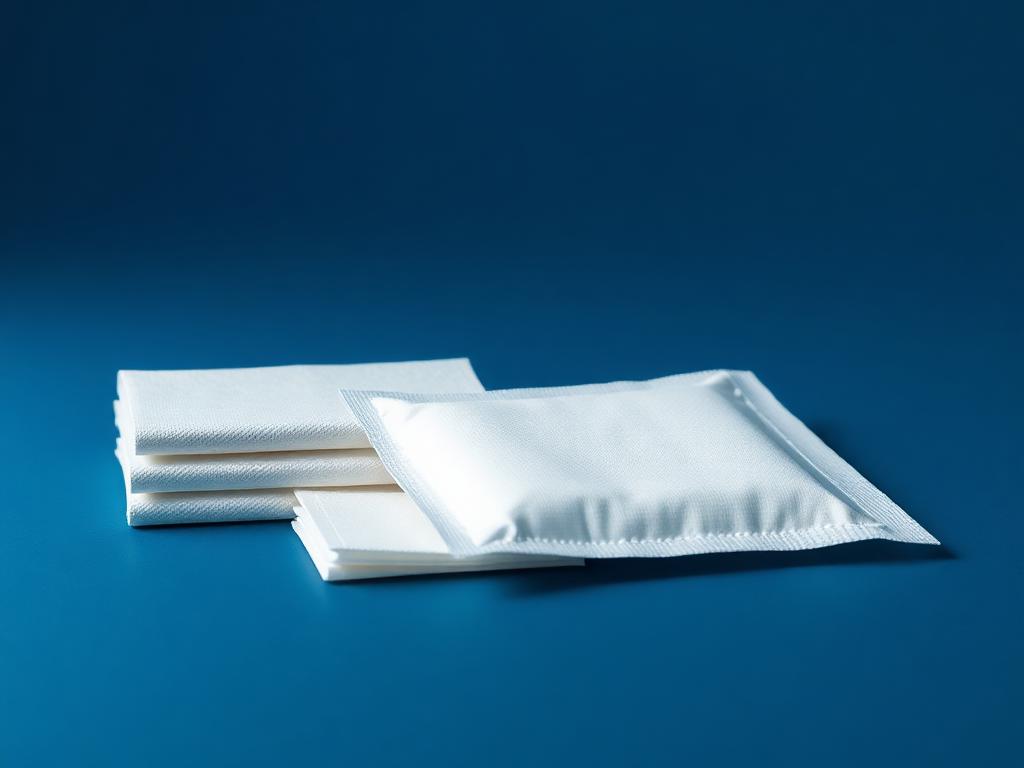
Illustrative rendering of debridement aids
Debridement aids

Pads, gels and single-use tools used to support removal of non-viable tissue and debris from the wound bed.

Typical use context

  • Performed only by clinicians authorized under local scope of practice

Method selection is a clinical decision; AOR publishes no technique guidance.

Illustrative rendering of assessment and documentation tools
Assessment and documentation tools

Measurement guides, imaging aids and structured record formats that make wound assessment repeatable between clinicians and shifts.

Typical use context

  • Baseline and follow-up assessment across sites
  • Continuity of care and administrative review support

Consistency of method matters more than any single tool; training is included in AOR programs.

Moisture and exudate management

Illustrative rendering of hydrocolloid dressings
Hydrocolloid dressings

Self-adhesive dressing that forms a gel as it interacts with wound fluid, maintaining a moist wound environment under an occlusive cover.

Typical use context

  • Wounds with light to moderate drainage
  • Situations where fewer dressing changes are preferred

Wear time, odour on removal and periwound skin tolerance are assessed by the clinical team.

Illustrative rendering of hydrogels
Hydrogels

Water- or glycerin-based gel, sheet or impregnated gauze that adds moisture to a dry wound bed.

Typical use context

  • Dry or minimally draining wounds
  • Support for autolytic wound bed preparation

Usually needs a secondary dressing; excess moisture on surrounding skin is monitored.

Illustrative rendering of foam dressings
Foam dressings

Absorbent polyurethane dressing that takes up wound fluid while cushioning the wound; available with or without adhesive borders.

Typical use context

  • Moderate to heavy exudate
  • Areas needing cushioning or pressure redistribution support

Thickness, border type and conformability differ across shapes and anatomical sites.

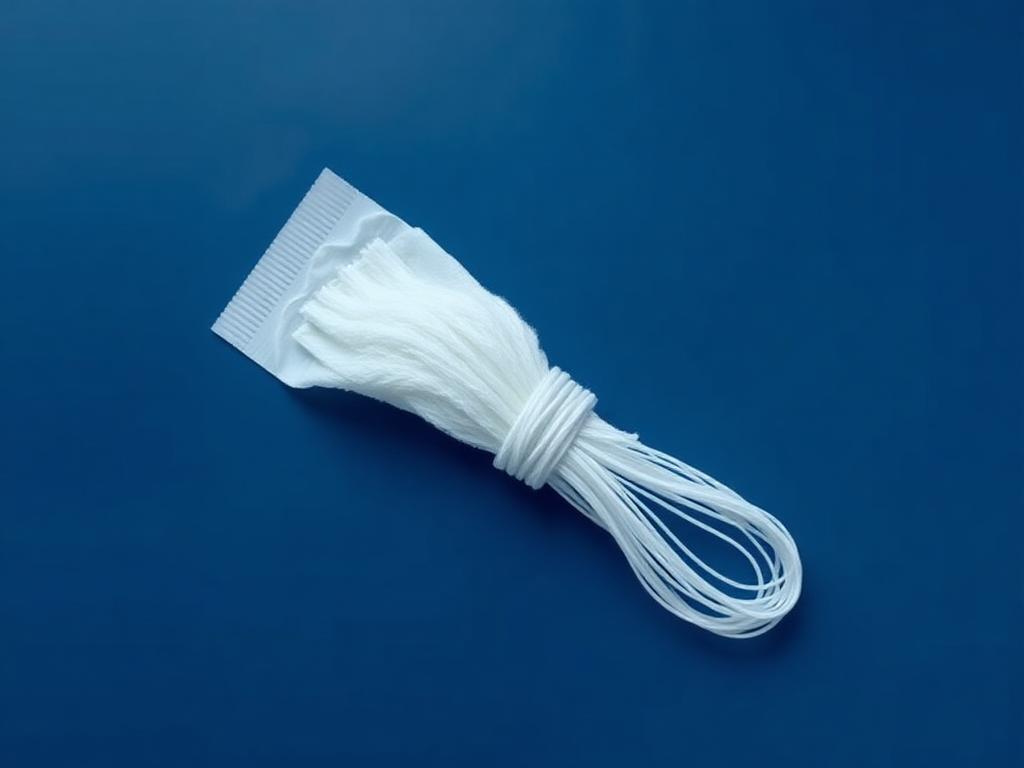
Illustrative rendering of alginate and gelling fibre dressings
Alginate and gelling fibre dressings

Fibrous dressing that absorbs high volumes of fluid and converts to a gel, conforming to the shape of the wound including cavities.

Typical use context

  • Heavily draining wounds
  • Cavity or undermined wounds requiring packing

Requires a secondary cover dressing and complete removal at each change.

Protection, securement and offloading

Illustrative rendering of gauze and non-adherent primary dressings
Gauze and non-adherent primary dressings

Basic contact layer placed directly on the wound to cover it and allow drainage to pass through to a secondary dressing.

Typical use context

  • General wound coverage where a simple contact layer is used
  • Combined with a secondary absorbent or securement layer

Frequency of change, adherence to the wound bed and comfort at removal vary by construction.

Illustrative rendering of transparent film dressings
Transparent film dressings

Thin adhesive sheet that covers the wound, allows visual inspection without removal and acts as a barrier to outside contamination and water.

Typical use context

  • Low-exudate wounds and intact skin protection
  • Securing another dressing in place

Not absorbent on its own; skin condition around the wound guides adhesive selection.

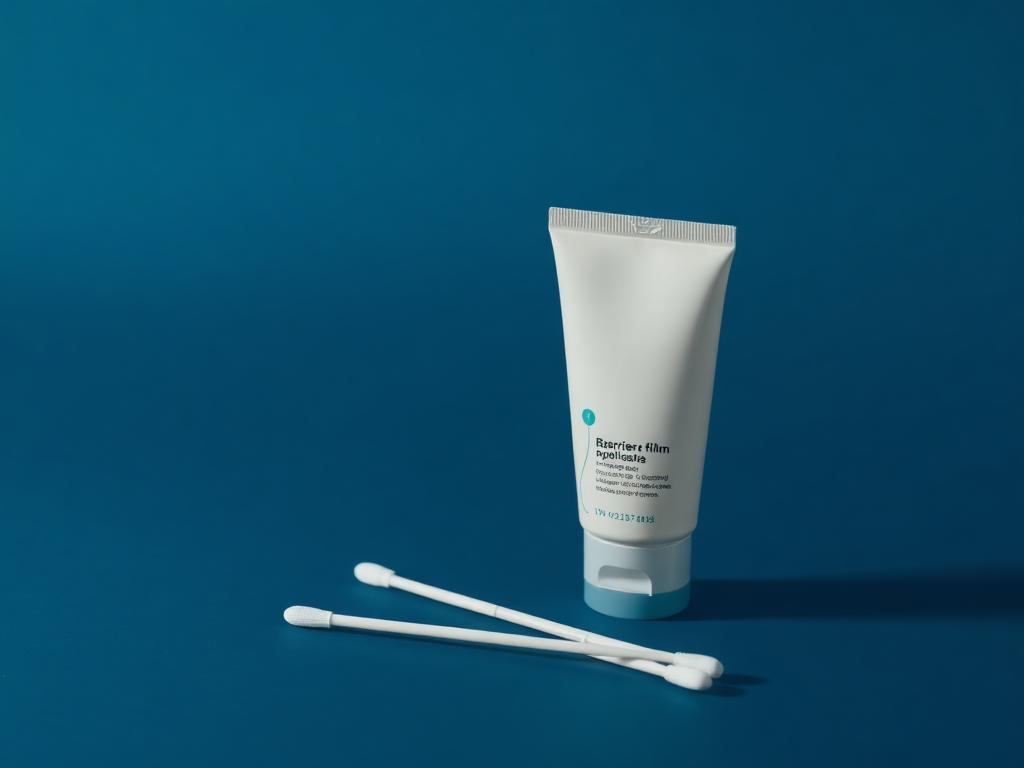
Illustrative rendering of periwound skin protectants and barriers
Periwound skin protectants and barriers

Films, creams and barrier products applied to the skin around the wound to reduce exposure to moisture and adhesive stress.

Typical use context

  • Wounds with heavy exudate or frequent dressing changes

Compatibility with the chosen dressing adhesive is confirmed before routine use.

Illustrative rendering of compression systems
Compression systems

Bandages, wraps and garments that apply graduated external pressure to the limb as part of a prescribed program.

Typical use context

  • Applied only after the required vascular assessment defined by the organization

Application technique, pressure level and reassessment intervals are clinician-determined.

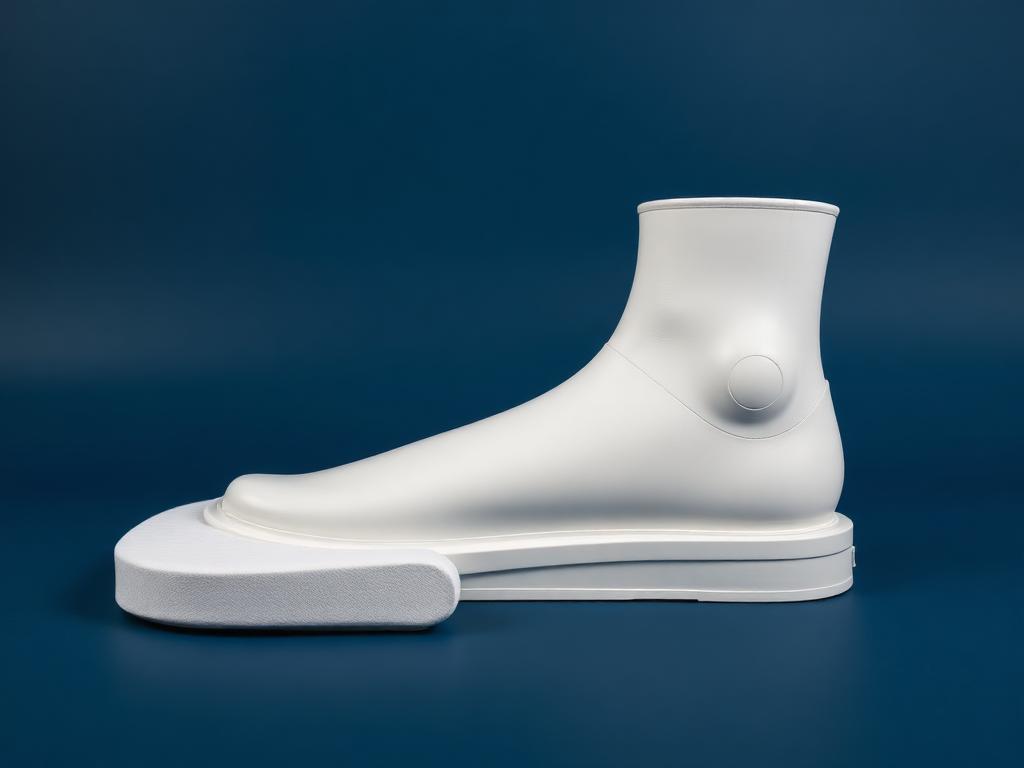
Illustrative rendering of offloading and pressure redistribution devices
Offloading and pressure redistribution devices

Footwear, inserts, boots, cushions and surfaces that redirect pressure away from an at-risk or existing wound site.

Typical use context

  • Prevention protocols in long-term care and acute settings
  • Programs pairing devices with repositioning schedules

Fit, adherence and staff training determine whether the device performs as intended.

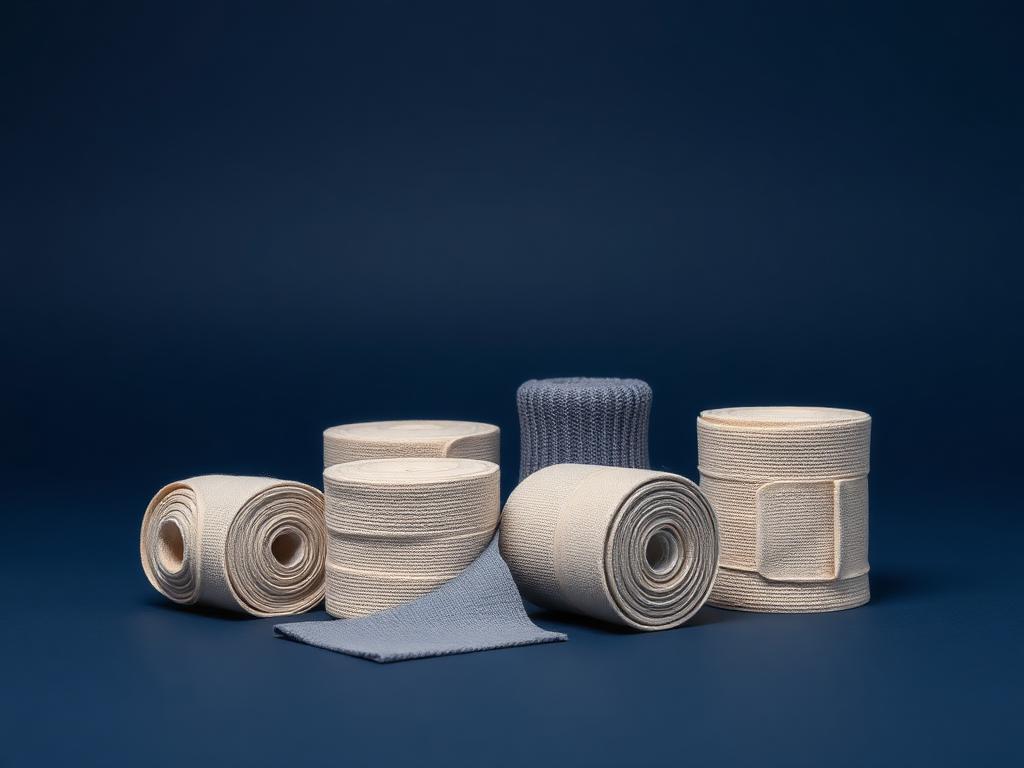
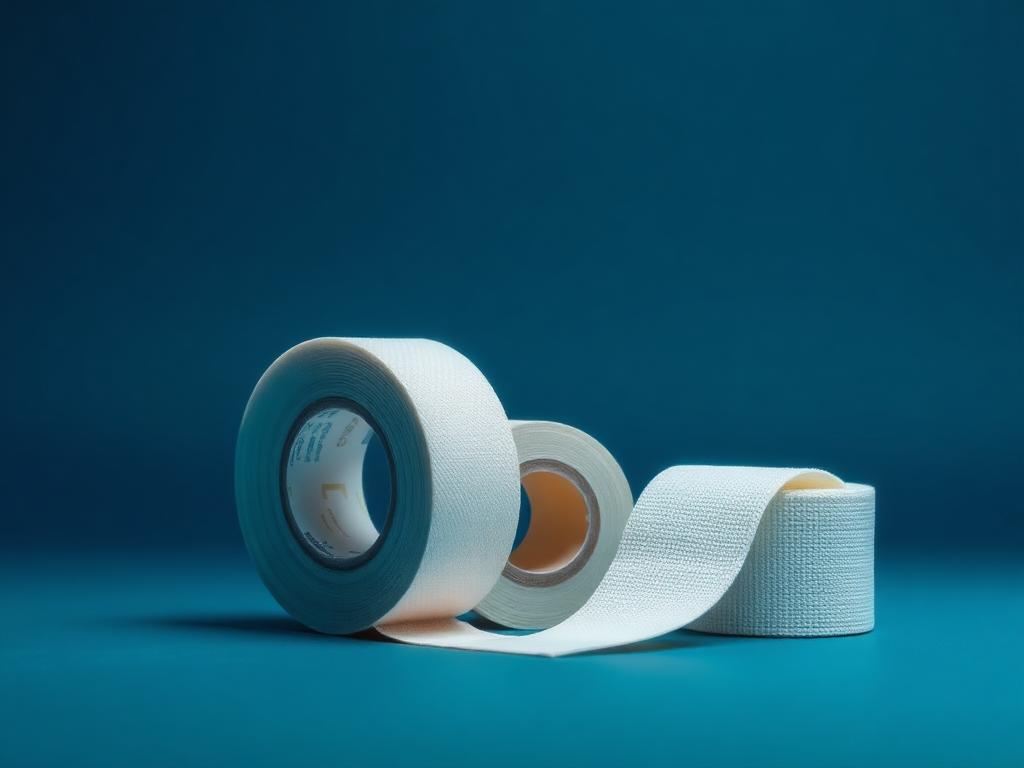
Illustrative rendering of securement: tapes, wraps and bandages
Securement: tapes, wraps and bandages

Retention products that hold a primary dressing in place without adding absorbency.

Typical use context

  • Any dressing regimen that needs a separate retention layer

Adhesive type is matched to skin fragility to reduce medical adhesive-related skin injury risk.

Advanced modalities

Illustrative rendering of antimicrobial dressings
Antimicrobial dressings

Dressings that incorporate an antimicrobial agent within the dressing material as part of a wound bioburden management strategy.

Typical use context

  • Used within protocols defined by the treating organization

Agent, duration of use and review intervals are governed by clinical policy and the manufacturer's instructions for use.

Illustrative rendering of collagen and matrix dressings
Collagen and matrix dressings

Scaffold-type dressings applied to the wound bed as part of an advanced wound bed preparation strategy.

Typical use context

  • Selected by specialist wound teams within an existing care pathway

Product-specific handling, storage and application steps must follow the official instructions for use.

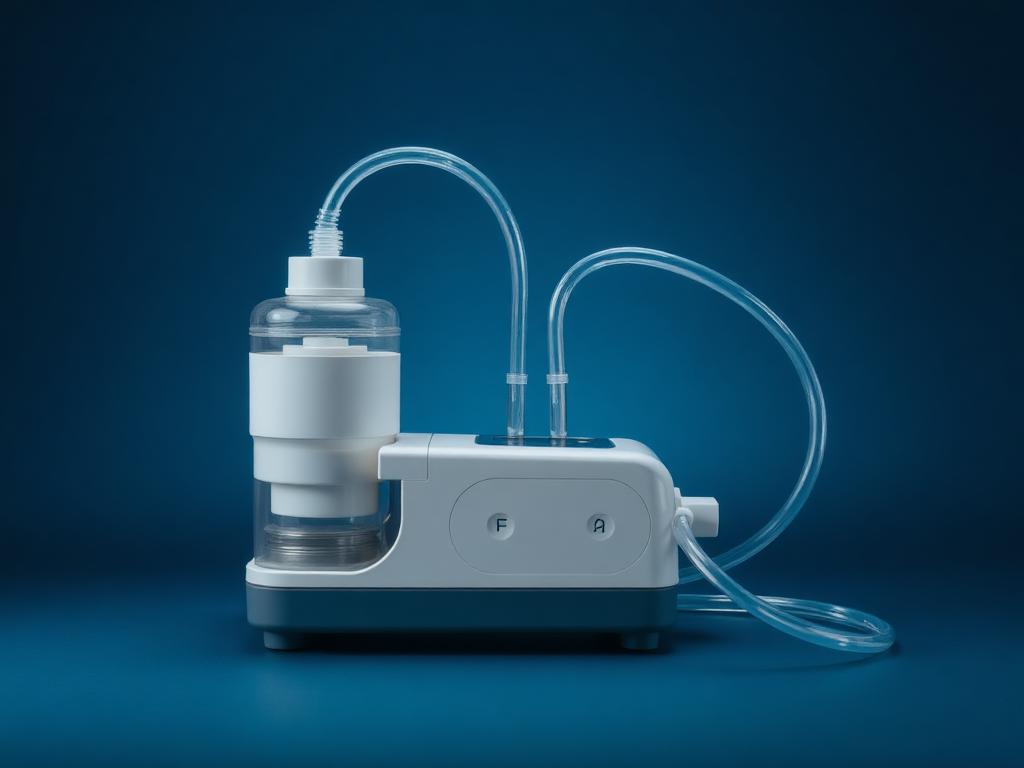
Illustrative rendering of negative pressure wound therapy (npwt) systems
Negative pressure wound therapy (NPWT) systems

A pump, sealed dressing kit and canister that apply controlled sub-atmospheric pressure to a sealed wound and collect exudate.

Typical use context

  • Managed by trained staff under a defined therapy order
  • Institutional and, where supported, supervised home programs

Training, alarm response, seal integrity and consumable supply planning are part of deployment.

Level 2

Biologic and regenerative categories

Used after standard care and wound bed preparation in complex ulcer programs. Images are illustrative renderings, not manufacturer product photography.

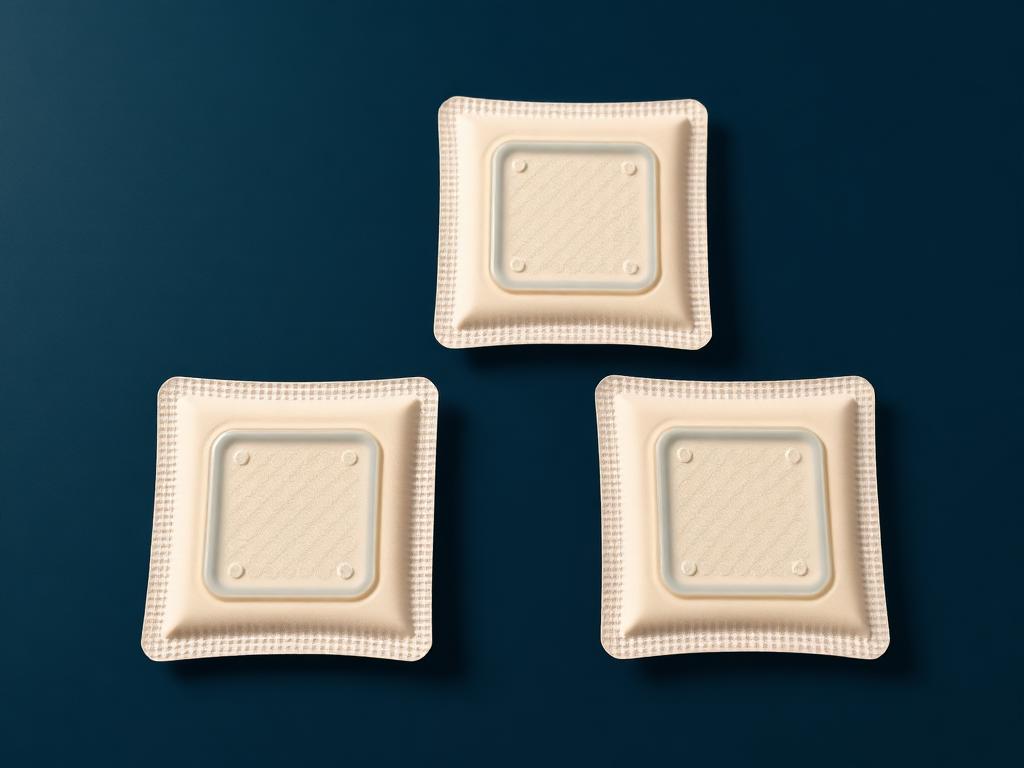
Illustrative image of a thin bioengineered skin substitute sheet on a sterile field

Skin substitutes (cellular and tissue-based products)

What it is

A family of sheet, disc or particulate products made from bioengineered, human or animal-derived tissue that is applied directly to a prepared wound bed.

What it does

Provides a temporary biological cover and structural scaffold over the wound bed, used within an advanced pathway after standard care and wound bed preparation.

Selection, application interval and total number of applications follow the treating organization's pathway and the manufacturer's official instructions for use.

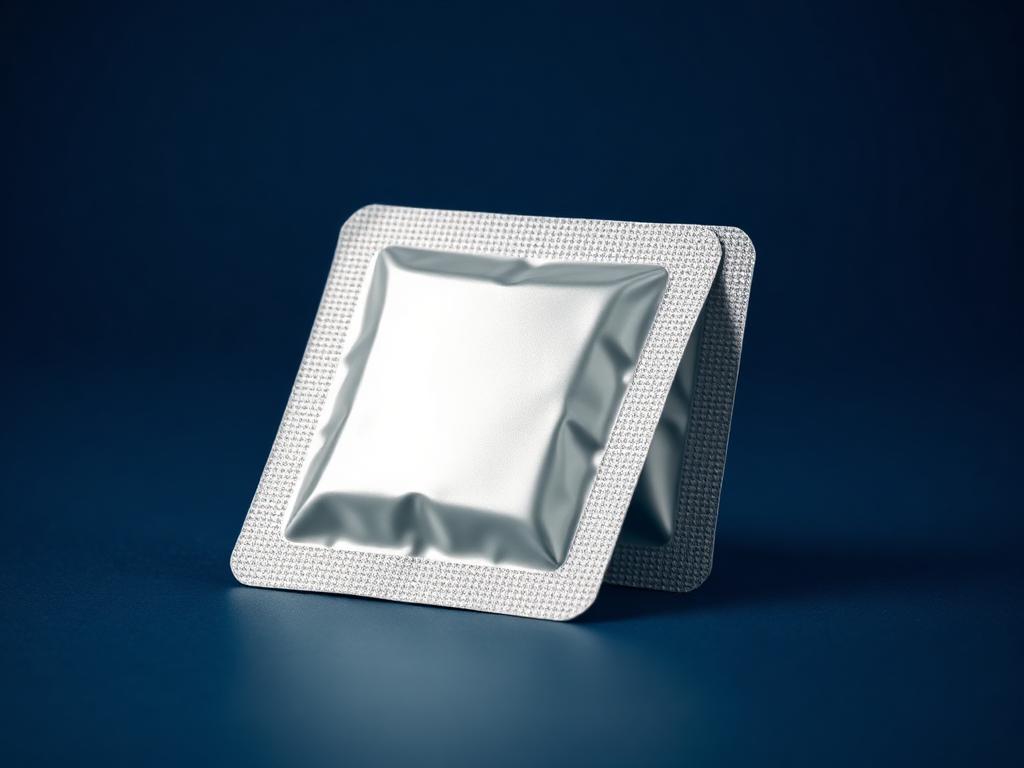
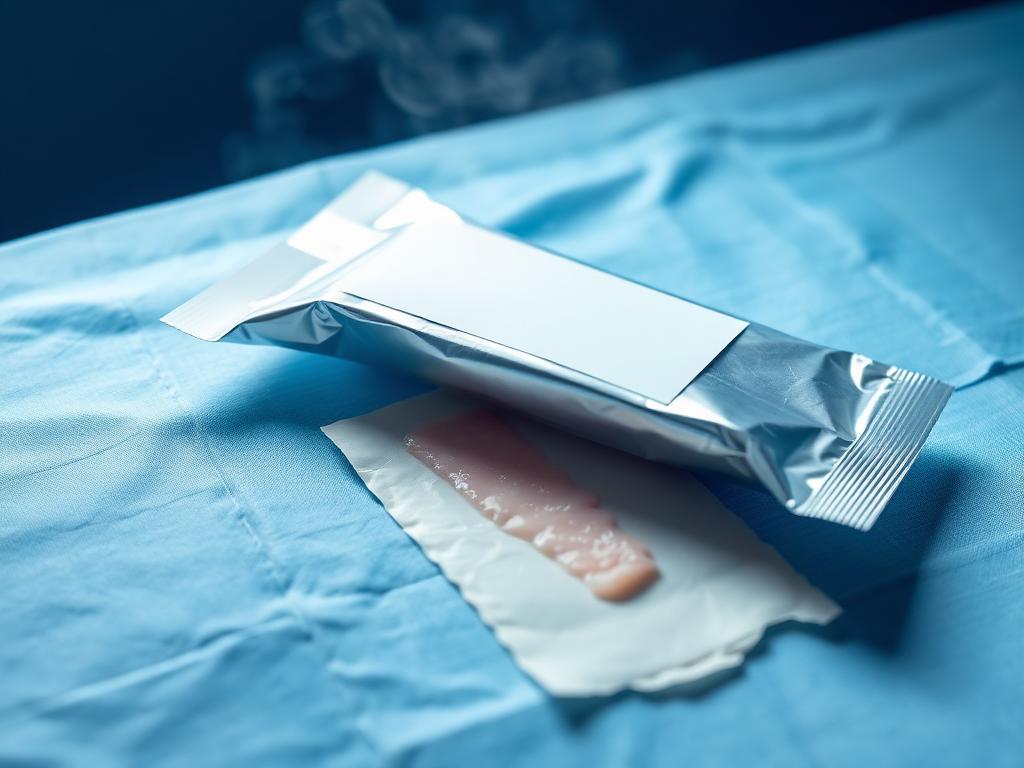
Illustrative image of a sterile allograft tissue pouch on a surgical drape

Human allografts (donated human tissue)

What it is

Processed human skin or soft-tissue grafts recovered from donors through an accredited tissue bank and supplied cryopreserved, refrigerated or dehydrated.

What it does

Places donor-derived tissue over the wound as a biological cover and matrix during an advanced treatment phase.

Donor screening, chain of custody, storage temperature and expiry handling are governed by tissue-bank standards and institutional policy.

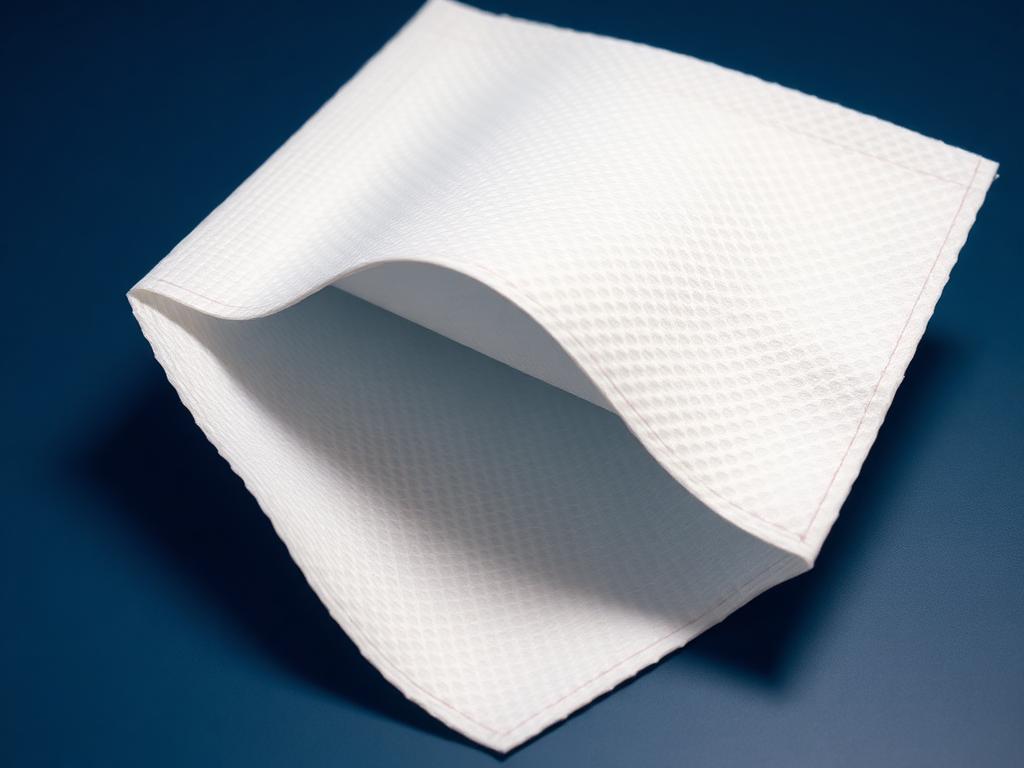
Illustrative image of an acellular dermal matrix mesh being handled with sterile gloves

Xenografts and acellular dermal matrices

What it is

Animal-derived tissue (commonly porcine or bovine) processed to remove cellular components, leaving a structural extracellular matrix.

What it does

Supplies a matrix scaffold at the wound surface as part of advanced wound bed preparation strategies.

Patient sensitivity, cultural or dietary preferences and material sourcing are confirmed before use.

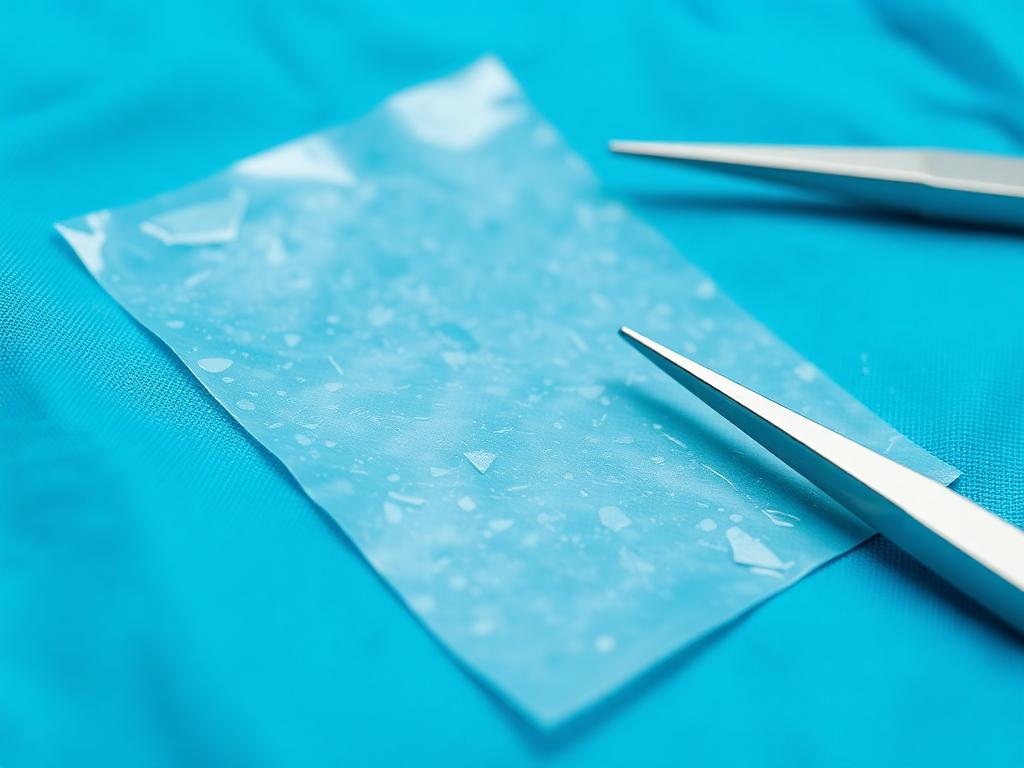
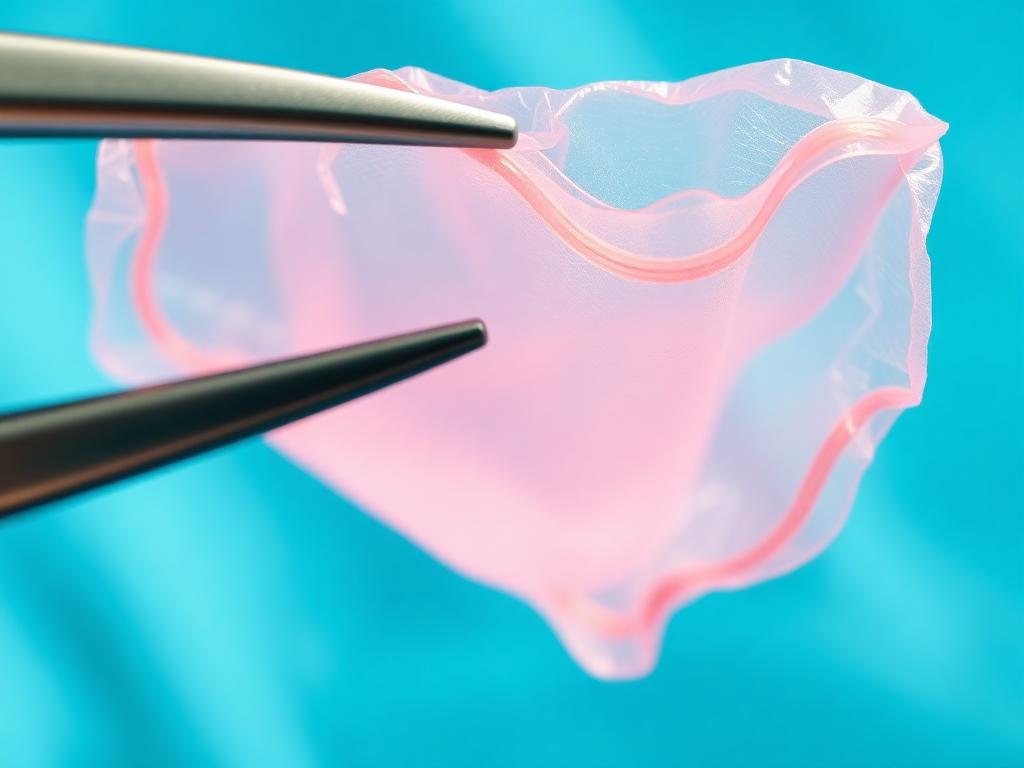
Illustrative image of a translucent amniotic membrane sheet held with forceps

Amniotic membrane allografts

What it is

Thin membrane tissue recovered from donated placental tissue after consented, screened caesarean delivery, supplied dehydrated or cryopreserved.

What it does

Applied as a thin biological covering over a prepared wound bed within an advanced treatment protocol.

Rehydration steps, orientation of the membrane and securement method follow the manufacturer's official instructions.
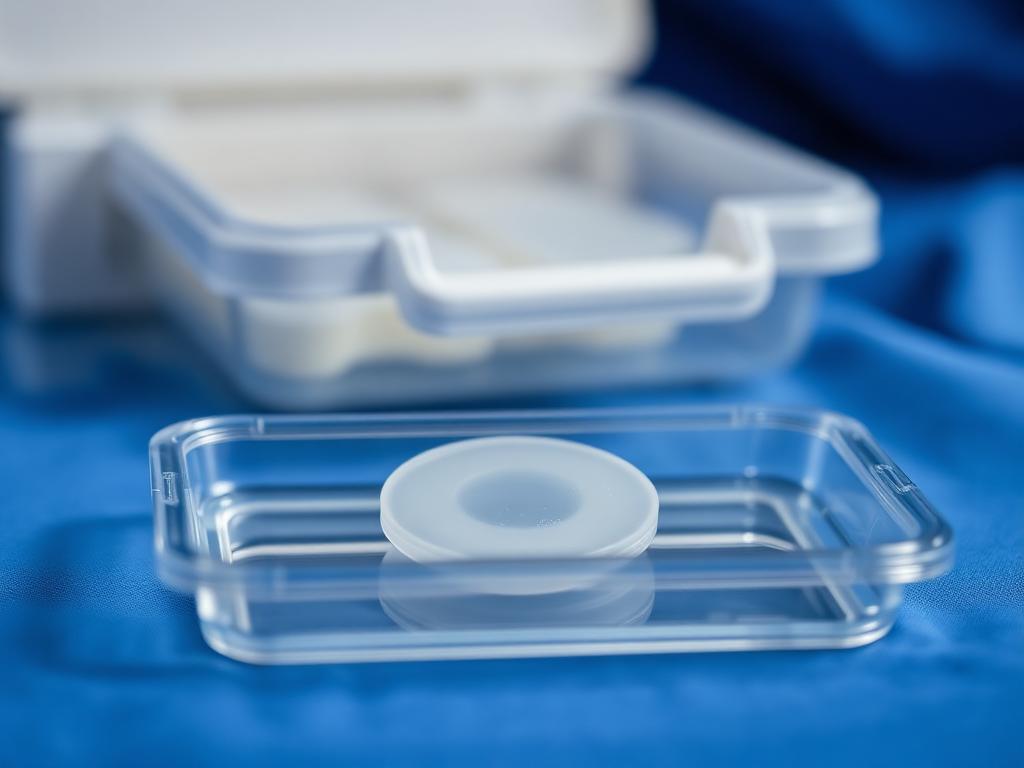
Illustrative image of a placental tissue allograft disc in a sterile tray

Placental and umbilical cord tissue allografts

What it is

Tissue allografts derived from other components of the birth tissue complex, including chorion layers and umbilical cord tissue.

What it does

Used as a biological covering or matrix layer in advanced wound pathways, typically in sheet or disc format sized to the wound.

Storage conditions, thaw or rehydration handling and single-patient use requirements are defined by the supplier.

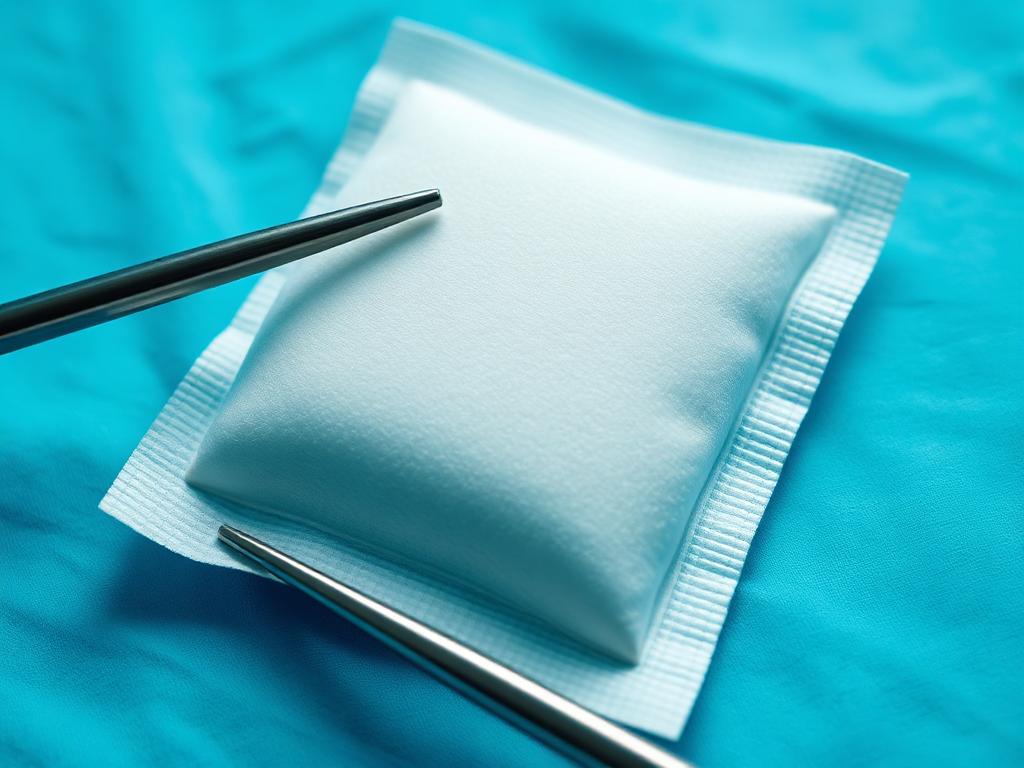
Illustrative image of a porous collagen matrix pad on a sterile field

Collagen dressings and collagen matrices

What it is

Purified collagen, alone or combined with other materials such as oxidized regenerated cellulose or alginate, supplied as pads, particles, gels or sheets.

What it does

Adds a collagen-based scaffold material to the wound bed as part of a structured advanced wound bed preparation approach.

Format (pad, particle or gel), moisture level of the wound and the secondary dressing choice all influence handling.

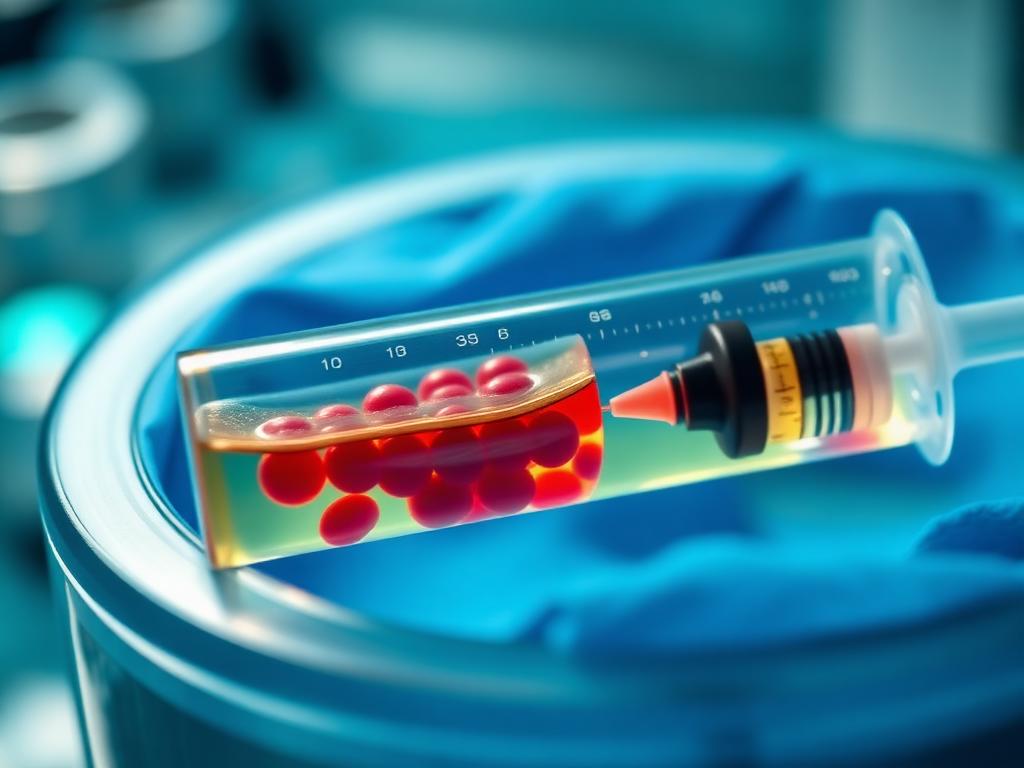
Illustrative image of a centrifuged blood tube with separated plasma layer and a sterile syringe

Platelet-rich plasma (PRP) and autologous blood-derived preparations

What it is

Preparations produced at the point of care from the patient's own blood using a closed centrifugation system, delivered as a liquid, gel or fibrin matrix.

What it does

Applies an autologous preparation to the wound bed within a defined procedural protocol carried out by trained clinicians.

Blood draw, processing parameters, sterility, documentation and operator training are all governed by institutional procedure.

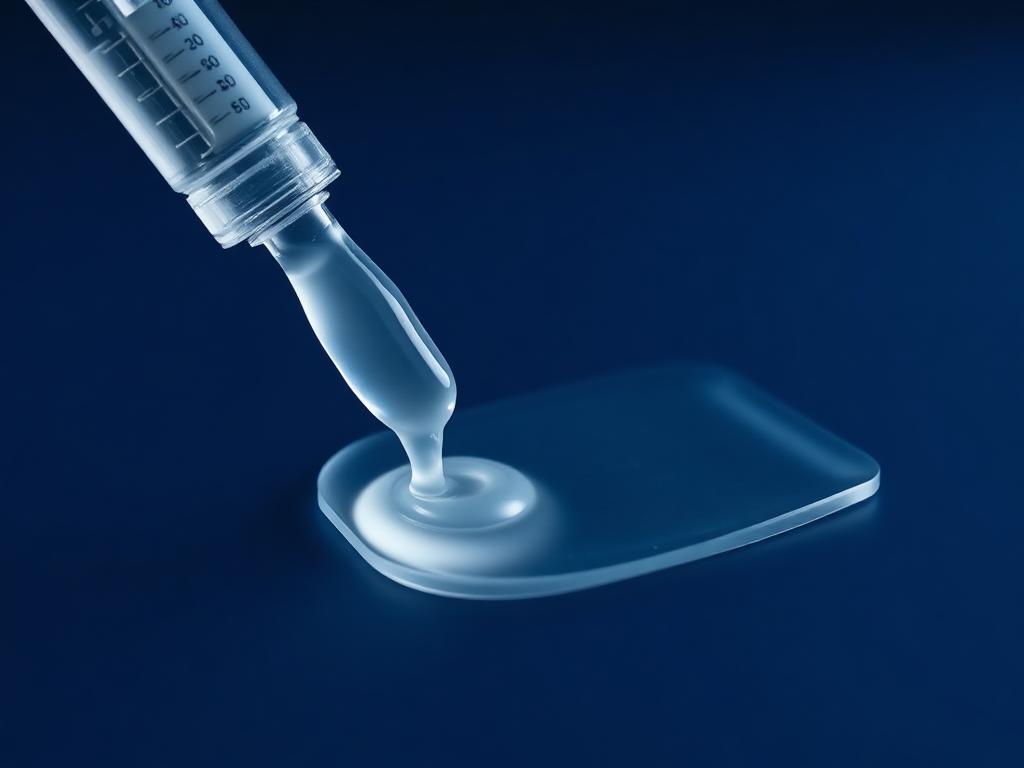
Illustrative image of a clear wound gel dispensed onto a sterile surface

Growth factor products

What it is

Topical formulations that contain a defined growth factor component, supplied as gels or impregnated carriers.

What it does

Delivers the formulation to the wound surface under a prescribed application schedule and dressing regimen.

Prescribing rules, storage temperature, application frequency and treatment duration are set by the official labeling.

Illustrative image of a fibrous acellular fish skin graft sheet on a sterile drape

Acellular fish skin matrices

What it is

Intact, minimally processed marine-derived matrices supplied as dry sheets that are rehydrated before application.

What it does

Places a porous matrix over the wound bed as an advanced-pathway alternative to mammalian-derived matrices.

Fish allergy status is confirmed before use; rehydration and fenestration steps follow the official instructions.
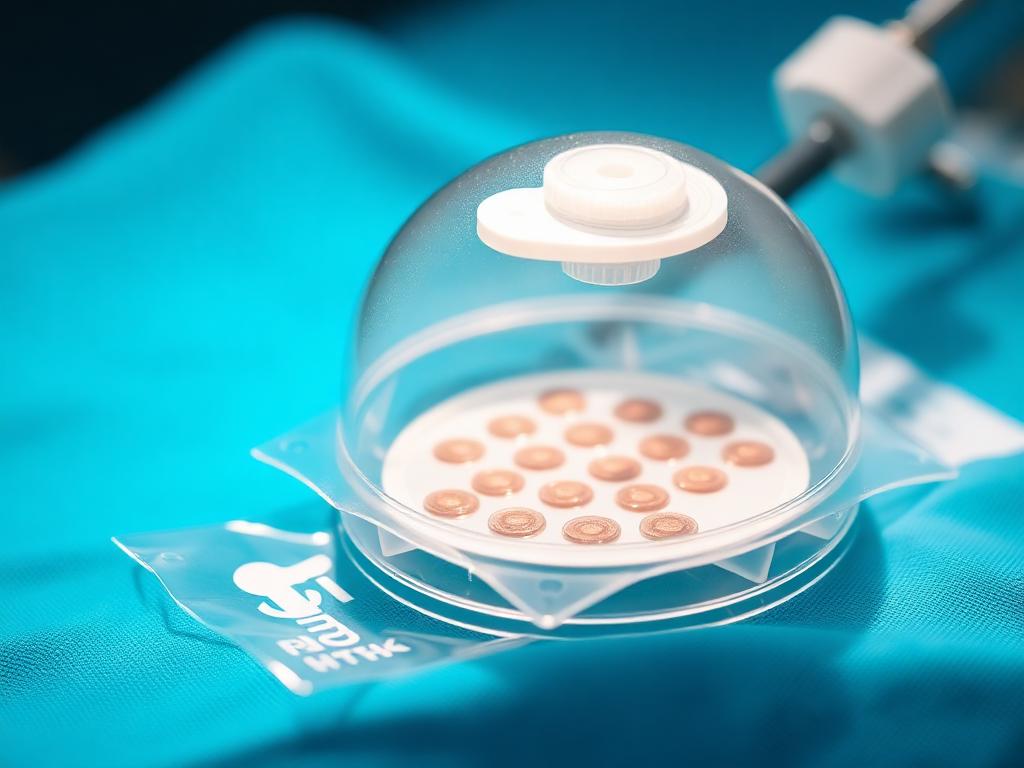
Illustrative image of an epidermal micrograft harvesting dome with small graft discs

Autologous epidermal grafting and cell harvesting systems

What it is

Devices that harvest small epidermal micrografts or a cell suspension from the patient's own donor site at the point of care.

What it does

Transfers autologous epidermal tissue or cells from a donor site to the prepared wound within a single documented procedure.

Donor-site selection and aftercare, procedure time and operator certification are part of program planning.

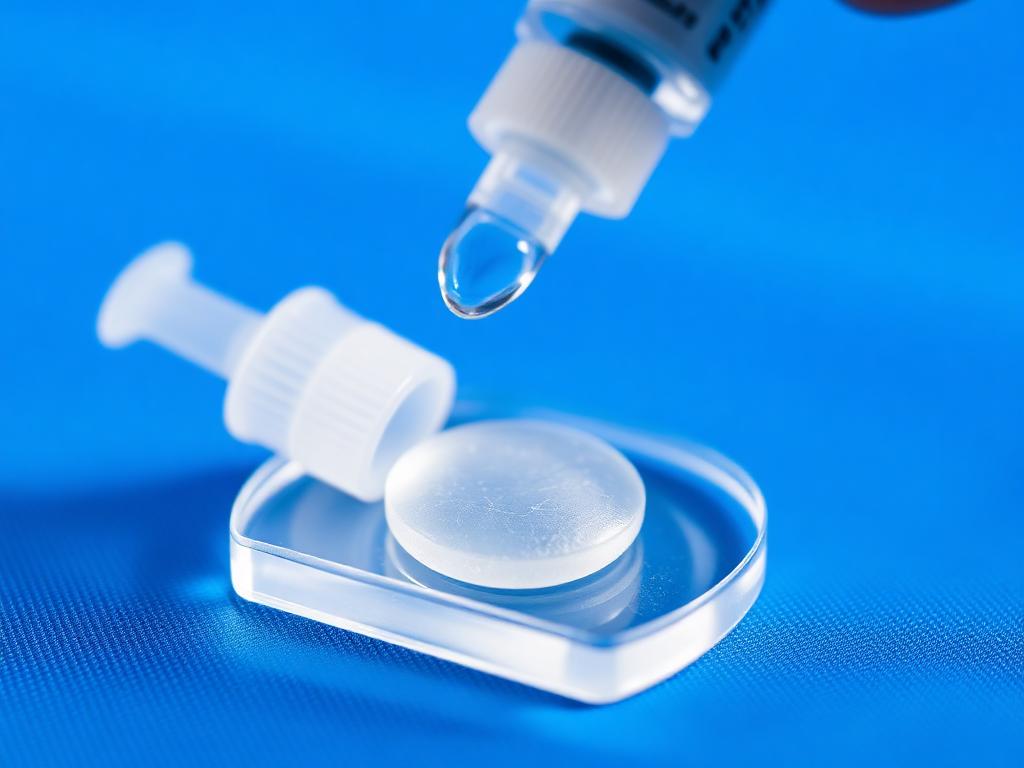
Illustrative image of a transparent hyaluronic acid gel strand from a sterile syringe

Hyaluronic acid based technologies

What it is

Gels, sheets and impregnated carriers built around hyaluronic acid or its esters.

What it does

Applies a hydrated matrix layer to the wound surface, typically covered by a secondary dressing.

Change frequency and compatibility with the secondary dressing are defined by the official instructions for use.

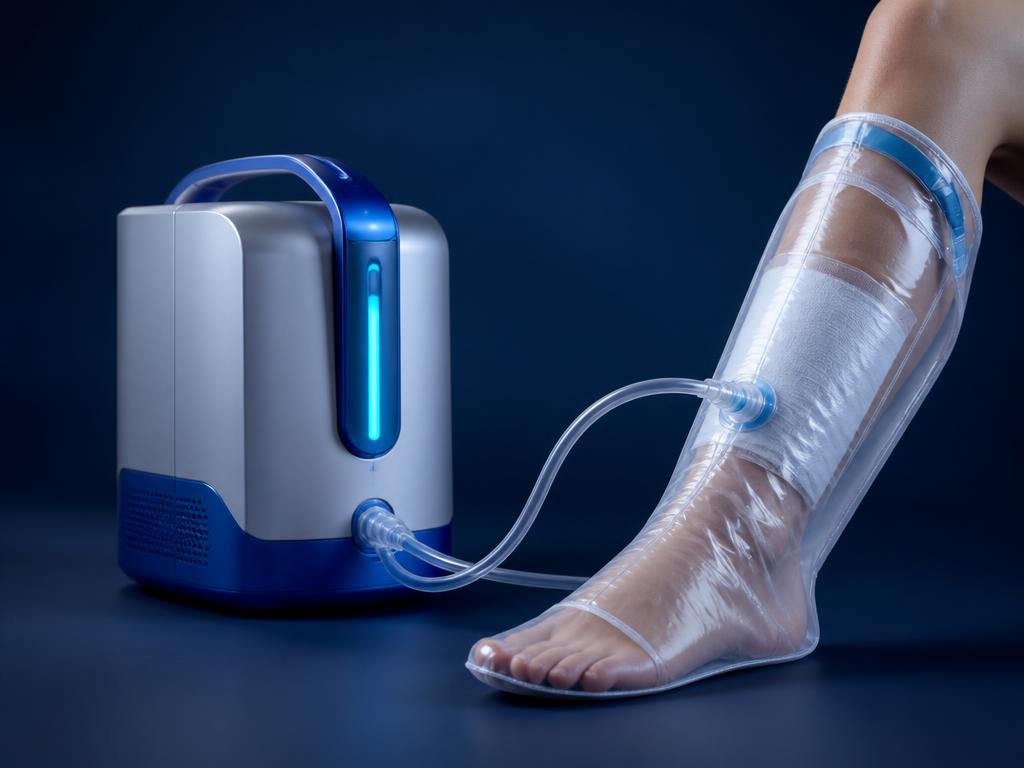
Illustrative image of a portable topical oxygen unit connected to a sealed limb wrap

Topical oxygen therapy systems

What it is

Devices that deliver oxygen to a sealed wound chamber, wrap or dressing interface, in clinic-based or continuous-wear formats.

What it does

Maintains an oxygen-enriched environment at the dressing interface for the duration defined in the therapy order.

Seal integrity, consumable supply, device training and alarm response are part of deployment planning.

Brand-level records: no wound care product is listed with indications, composition, sizes or regulatory status until AOR has the official source document on file and an administrator approves publication.

Source URL
AOR-authored category education — illustrative imagery, no manufacturer claims reproduced
Last verified
2026-08-02
Content status
Verified AOR category education

Common questions

How AOR handles wound care content

Does AOR recommend a specific dressing or protocol?

No. AOR provides category education and verified product information. Clinical decisions belong to the treating clinician and the organization's protocols.

Why are prices not shown?

Pricing is published only when an AOR administrator approves it for a specific territory and customer type. Otherwise, request a quote.

How current is the information on this page?

Every published record shows its source URL, last verified date and content status so you can judge currency at a glance.

Build a stronger wound care program

Ask an AOR specialist to review your current documentation practices, product mix and training needs.

Educational content only. Nothing here is medical advice, a treatment protocol, or a statement of regulatory clearance. Always follow your organization's clinical policies and the manufacturer's official instructions for use.